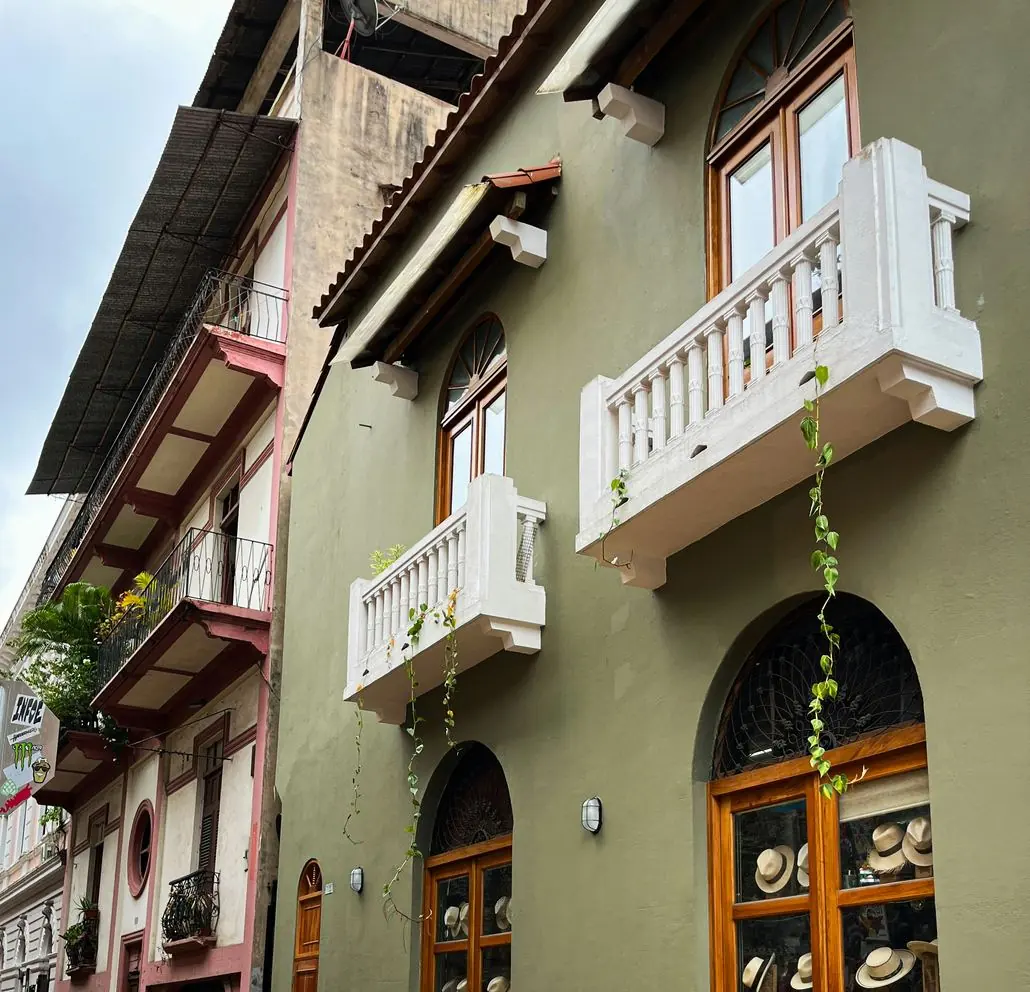
Shopping in Casco Viejo
Casco Viejo is not primarily a shopping destination — it is a neighbourhood to walk, eat, and explore. But there are genuinely excellent things to buy here, if you know what to look for. The best purchases are things that are either made in Panama by Panamanian artisans, or Panamanian products of real quality. The things to avoid are the generic souvenir trinkets that could have been made anywhere.
The key principle: buy things that have a story. Panama's indigenous textile traditions, its world-class coffee, its underappreciated rum, and its bean-to-bar chocolate are all genuinely extraordinary. A mola or a bag of Geisha coffee is a meaningful souvenir. A keychain shaped like a toucan is not.
Molas — Kuna textile art
Molas are panels of reverse-appliqué textile made by the Kuna (Guna) people of the San Blas archipelago — one of the most visually distinctive and technically accomplished textile art traditions in the Americas. The designs are geometric, layered, and unmistakably Panamanian. Traditional molas depict animals, plants, and abstract patterns in vivid colours.
Molas are sold as flat panels (originally the front and back panels of a blouse) and can be framed, sewn into cushion covers, or used as wall art. Quality varies enormously — the best molas have tiny, even stitching with multiple layers of fabric visible at the edges. Cheap molas have large stitches and visible irregularities.
Mochilas — woven bags
Mochilas are handwoven bags made by the Wounaan and Emberá communities of Darién province. Each bag is woven from palm fibres or natural cotton using techniques passed down over generations. They are functional, beautiful, and entirely handmade — a large mochila can take weeks to complete.
The Wounaan mochilas are particularly renowned for their tight, fine weave — among the finest in the Americas. Look for consistent pattern repetition, tight stitches, and clean edges. Authentic mochilas will come with some indication of the artisan or community that made them.
Panamanian coffee — Geisha and beyond
Panama's Geisha coffee from Boquete in the Chiriquí highlands is one of the most sought-after and expensive coffees in the world. It has won the Cup of Excellence competition multiple times and regularly sells at auction for record prices per pound. The flavour profile is extraordinary — jasmine, bergamot, tropical fruit notes — unlike almost any other coffee.
Bringing home a bag of good Panamanian coffee is one of the best purchases you can make. Even non-Geisha varieties from Boquete and the highlands are excellent. Look for specialty roasters who specify the farm and the processing method.
Rum and spirits
Panama has a rich and underappreciated rum tradition. Ron Abuelo is the most recognised Panamanian rum internationally — the 12-year and Centuria aged expressions are excellent and difficult to find outside Panama. Seco Herrerano is the national spirit — a sugarcane distillate that sits between rum and vodka in character, used in the national cocktail seco con vaca (seco with milk). It's cheap, interesting, and entirely Panamanian.
Panama hats — the real story
The famous "Panama hat" is actually made in Ecuador, not Panama — a fact that surprises most visitors. The hats got their name because they were sold in Panama to workers building the canal and to travellers passing through. The association stuck even though Ecuadorian artisans make the actual hats.
Panama does have its own hat tradition — the sombrero pintado, a beautifully woven hat made in the Penonomé region of Coclé province. It uses a distinctive black-and-white pattern and is a genuinely Panamanian product. If you want to buy a hat that's actually from Panama, look for the sombrero pintado.
Panamanian chocolate
Panama grows exceptional cacao — particularly in the Bocas del Toro and Darién regions — and a small but serious bean-to-bar chocolate industry has developed around it. Panamanian dark chocolate, made with locally grown single-origin cacao, is one of the most interesting food souvenirs you can bring home.
Ibiza Chocolate and Cacao & Cuero are two producers worth looking for. Our coffee & chocolate experience covers both the coffee and the chocolate traditions in depth — a good way to taste before you buy.
What to avoid: Generic "Panama" souvenirs (keychains, magnets, shot glasses), cheap mola imitations that aren't actually made by Kuna artisans, "Panama hats" sold as if they're Panamanian, and any coffee sold in tourist shops without origin information. If you can't tell where it came from or who made it, it's probably not worth buying.
Taste before you buy
Our coffee & chocolate experience and rum tasting tour let you sample Panama's best products with expert context — so you know exactly what to bring home.
Book the Coffee & Chocolate Tour →