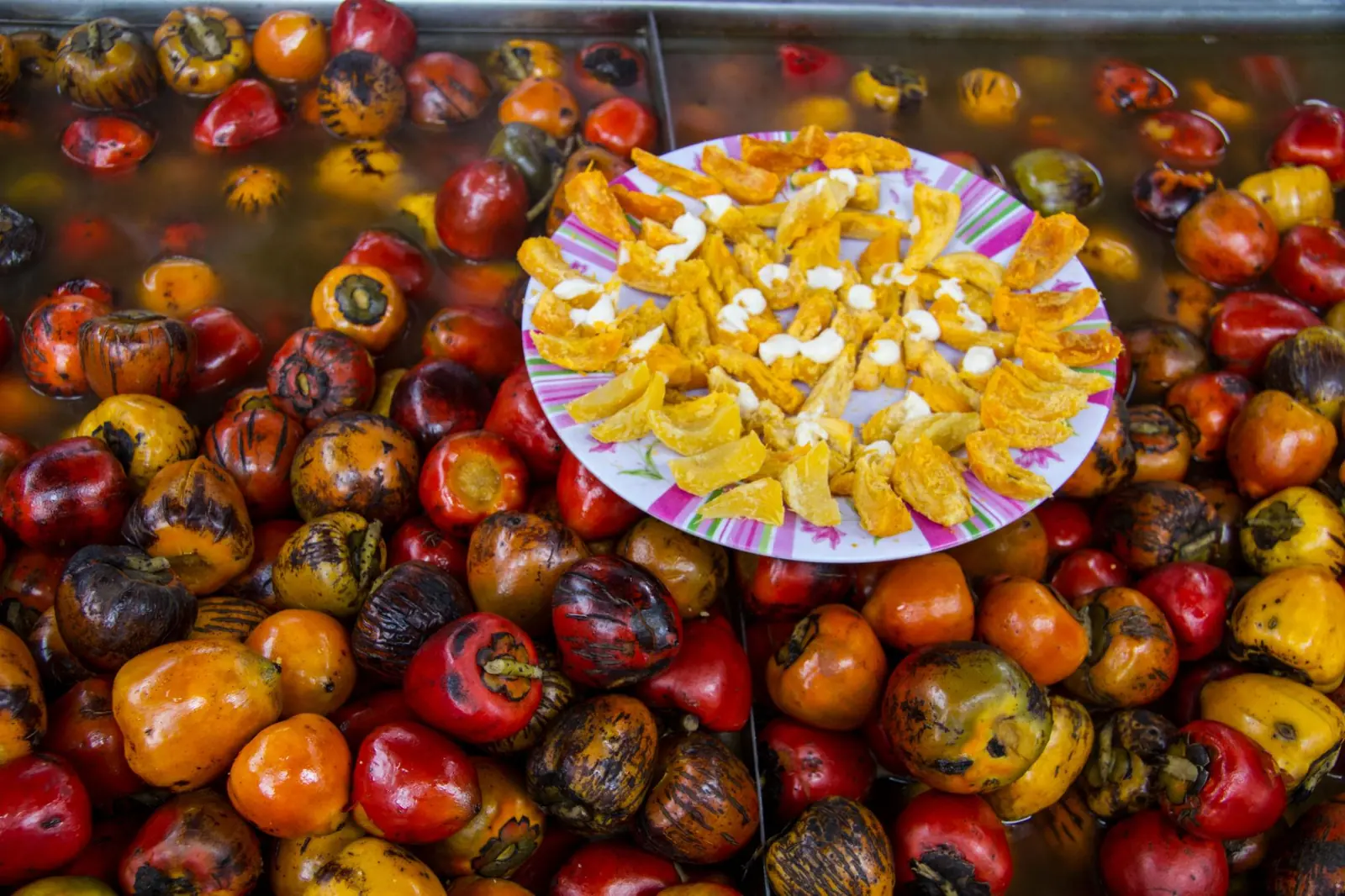
What makes Panamanian cuisine unique
Panamanian cuisine is one of the least-known great food traditions in Latin America. While the cuisines of Mexico, Peru, and Colombia have gained global recognition, Panama's kitchen remains almost entirely undiscovered by the international food world — which is precisely what makes it so exciting to explore.
Panama's food culture reflects its geography: a country that has been a crossroads for centuries. Indigenous, Spanish colonial, Afro-Caribbean, and Pacific influences have all left their mark. Add to this the extraordinary tropical biodiversity of the country — the variety of fruits, vegetables, fish, and animals available — and you have the ingredients for a genuinely distinctive food culture.
The core of Panamanian cooking is humble and hearty: arroz con pollo, stews, fried plantains, corn preparations, and fresh seafood. But within those simple structures are flavours, techniques, and ingredients that are entirely specific to this country.
The 10 essential Panamanian dishes
Panama's national dish, without question. A rich, slow-cooked chicken soup made with culantro (a native herb more pungent than cilantro), yam, yuca, corn on the cob, and the local gallina de patio (free-range chicken). The broth is deeply savoury and complex, building for hours on the stove. Every Panamanian family has their version. The dish is especially associated with Sundays and with recovery — it's what people eat when they're ill, celebrating, or both.
Where to try it: La Casa de Fernando, or any local comedor on a Sunday. Our food tour includes a version of this.
Panama's ceviche is distinct from Peruvian ceviche — it uses sea bass (corvina) cured in lemon juice, with finely chopped onion, celery, and the native ají chombo (a fruity, moderately hot pepper). It's lighter and less sour than Peruvian versions, and the ají chombo gives it a distinctive local character. Eaten with crackers or small corn tortillas. One of the most refreshing things you can eat in tropical heat.
Where to try it: Order it at almost any restaurant in Casco Viejo — it's ubiquitous. The freshest version is at the morning market near Avenida A.
Twice-fried green plantains, smashed flat and fried again until golden and crisp. The Panamanian equivalent of chips or fries — present at almost every meal, at every price point. Eaten with everything from ceviche to ropa vieja. The best patacones are fried in good oil, properly salted, and served hot. A badly made patacone (soggy, pallid, undersalted) is a disappointment; a perfectly made one is one of the simple great pleasures of Panamanian eating.
Where to try it: Literally everywhere. Ask for them at any local restaurant.
Shredded slow-cooked beef in a sauce of tomato, peppers, onion, and garlic — the name means "old clothes" because of how the meat falls into shreds. Panama shares this dish with Cuba and other parts of the Caribbean, but the Panamanian version tends to be sweeter and more tomato-forward. Served over white rice, typically with fried plantains and a small salad. Pure comfort food.
Where to try it: La Casa de Fernando, any comedor serving lunch plates.
A torpedo-shaped fritter of boiled, mashed yuca, stuffed with spiced ground meat or chicken and then deep-fried until golden. Crisp on the outside, soft and savoury inside. One of the most satisfying pieces of street food in Panama. They're made fresh in the morning at the market and at street carts — get them hot, straight out of the fryer.
Where to try it: The morning market near Avenida A, 6–9am. Our food tour always includes a carimañola stop.
Not to be confused with the thin Mexican tortilla. Panamanian tortillas de maíz are thick, hand-patted corn cakes — somewhere between a thick corn pancake and an English muffin — fried or griddle-cooked until golden. Part of the traditional Panamanian breakfast, eaten with cheese (queso blanco), eggs, or simply with butter. The ones made from fresh masa (not dried corn flour) are in a different category entirely.
Where to try it: Rincón Panameño for the authentic breakfast version.
Panama's version of rice with chicken is cooked with culantro, achiote (for colour), olives, capers, and raisins — a legacy of the Spanish colonial kitchen. The result is fragrant, slightly briny from the capers and olives, and warm-coloured from the achiote. It's the everyday family meal in Panama, and a well-made version is far better than it sounds.
Where to try it: Any home-style comedor or restaurant that lists it as a daily special.
Fresh local fish (usually corvina, red snapper, or whatever was caught that morning) cooked in a sauce of tomato, peppers, garlic, and onion. The Panamanian version of this universal dish has a distinctive sweetness and brightness from the local peppers and native herbs. The quality depends entirely on the freshness of the fish — at the right place, this is one of the best things you can eat in the country.
Where to try it: Rincón Tableño, Manolo Caracol, any coastal-facing comedor.
Puffy fried dough — light, slightly sweet, golden, and eaten for breakfast or as a snack. Similar to beignets or fry bread from other cuisines, but with a specific lightness that makes them distinctive. Often eaten with queso blanco and a cup of hot chocolate. The traditional Panamanian Sunday morning breakfast is hojaldres with cheese and hot chocolate, and it is difficult to improve on.
Where to try it: Local bakeries and market stalls in the morning.
Panama's signature dessert — a silky coconut milk pudding set with cornstarch, sprinkled with cinnamon. The name means "trembling" and describes its wobbling texture. It's simple, refined, and deeply flavoured when made with fresh coconut milk (as opposed to canned). A fitting end to any Panamanian meal.
Where to try it: Donde José (restaurant), and made by street vendors at markets and festivals.
Panamanian drinks to try
- Chicha: A broad category of fresh fruit drinks — the most common is chicha de maracuyá (passion fruit) or chicha de tamarindo. Non-alcoholic, refreshing, and found everywhere.
- Ron Panamá (Panamanian Rum): Panama has excellent aged rum — Carta Vieja and Abuelo are the best-known brands. Try them neat or in a simple cocktail with local ingredients.
- Seco Herrerano: The national spirit — a sugarcane-distilled clear spirit from the Azuero peninsula. The Panamanian equivalent of vodka, used in cocktails and consumed straight. Acquired taste, but worth trying.
- Balboa beer: The local lager — light, cold, and the default beer of choice in any bar or comedor. Nothing special, but genuinely refreshing in the heat.
- Café Panameño: Panama's specialty coffee, especially from Boquete, is world-class. The Geisha variety is one of the most sought-after and expensive coffees in the world. A cup here costs a fraction of what it does abroad.
Where to find authentic food in Casco Viejo
The best Panamanian food in the neighbourhood is not at the most visible tourist restaurants. It's at:
- The morning market near Avenida A (6–10am) for street food and fresh produce.
- Comedores — small local lunch counters operating 11am–3pm, serving the daily plate (plato del día) for $5–8. These are the authentic kitchen of Panama City.
- La Casa de Fernando for home-style Panamanian cooking.
- Rincón Tableño for regional Azuero cuisine.
- Our food tasting tour — which visits the places above and more, with a guide who has personally vetted every stop.
Taste Panamanian food with a local expert
Our Food Tasting Tour visits 5–6 authentic stops across the neighbourhood — from market vendors to sit-down restaurants — with guide Valentina who has spent years documenting Panama's food traditions.
Book the Food Tasting Tour →