The short answer
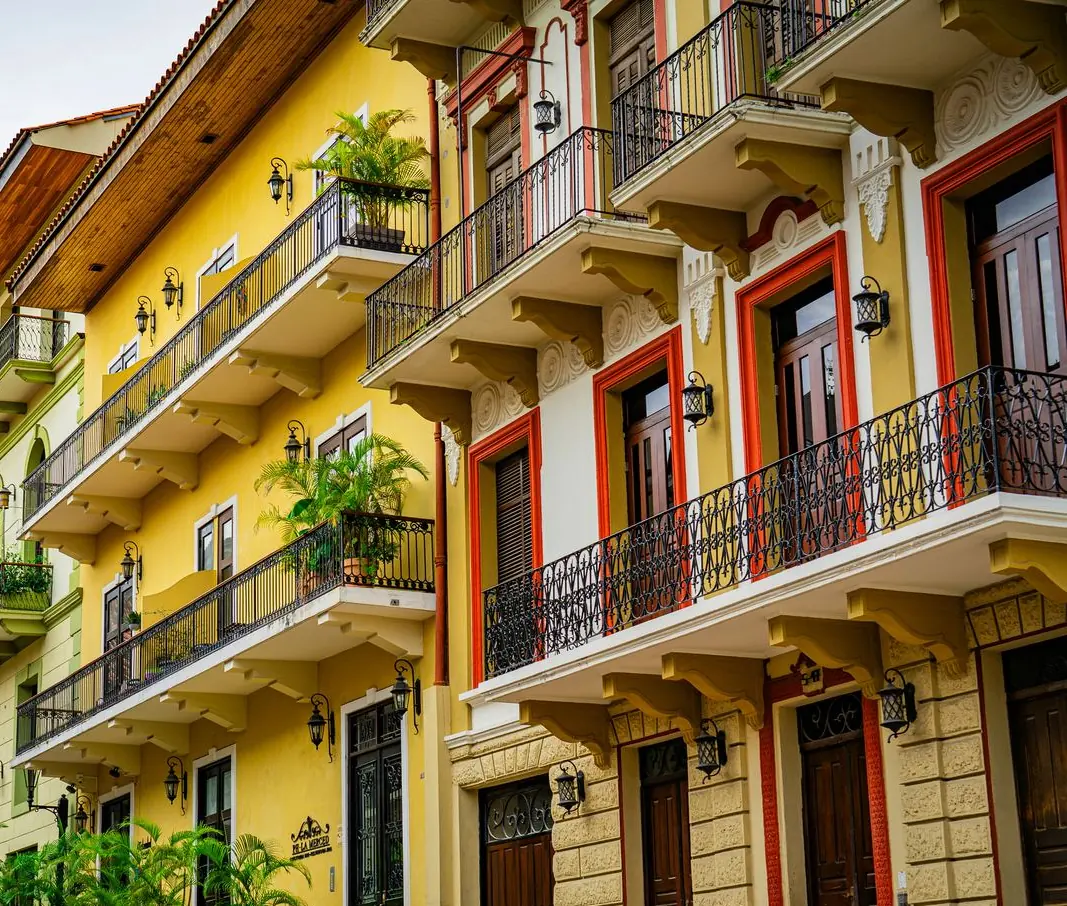
Casco Viejo and Casco Antiguo are the same place. They both refer to the historic old quarter of Panama City — the UNESCO World Heritage neighbourhood of colonial churches, cobblestone streets, crumbling ruins, and rooftop bars with views of the modern skyline.
The confusion is understandable. Travel blogs, guidebooks, and taxi drivers all use both terms. Some signs say one, some say the other. Even the locals switch between them.
🏛️ Quick fact: Casco Viejo was founded in 1673 after pirates (led by Henry Morgan) destroyed the original Panama City two years earlier. It has been a UNESCO World Heritage Site since 1997.
Why the neighbourhood has two names
The dual naming comes down to a combination of regional Spanish variation and practical tourism evolution.
Casco Antiguo — meaning "old helmet" or "old shell" in Spanish — was the original formal name used by Panamanian authorities and urban planners. It appears in government documents, historic preservation legislation, and formal cartography. The word casco in this context refers to the old urban core of a city (a usage common throughout Latin America and Spain), and antiguo simply means "old" or "ancient."
Casco Viejo — also meaning "old shell" or "old district" (viejo also means "old") — is the name that tourism, international media, and English-speaking travellers adopted almost universally. It's the name that appears on travel sites like Lonely Planet, TripAdvisor, and GetYourGuide. It's the name in Google Maps. It's what most tour operators use.
The two words — antiguo and viejo — both mean "old" in Spanish, but carry slightly different connotations. Antiguo leans more formal and historical; viejo is more colloquial. Both applied to this neighbourhood mean exactly the same thing in practice.
What locals actually call it
This is where it gets interesting. Panamanians from the city generally use both terms — but the older generation and those in formal or professional contexts tend toward Casco Antiguo, while younger Panamanians and those working in hospitality or tourism have widely adopted Casco Viejo.
Our guides — all born and raised in Panama City — use Casco Viejo in tours because it's the name their international guests will recognise and search for. Off duty, some of them call it El Casco or simply Casco Antiguo. Nobody looks confused either way.
In neighbouring Colombia, the old walled city of Cartagena is almost universally called El Centro Histórico — showing how different Spanish-speaking countries handle this kind of historic quarter naming differently.
The official name
Panama's National Institute of Culture (INAC) and the UNESCO World Heritage listing use the name "Casco Antiguo de la Ciudad de Panamá" in formal documentation. The neighbourhood's official corregimiento (administrative subdivision) is named Casco Antiguo.
However, "Casco Viejo" has been so dominant in tourism and international usage for so long that it is now effectively the de facto English-language name — and increasingly the Spanish-language name used by the tourism industry too.
Other names you'll encounter
There are a handful of other terms you may see when researching the neighbourhood:
- San Felipe — This is actually the name of the larger corregimiento (district) that contains Casco Viejo. Some older sources use San Felipe interchangeably with Casco Antiguo.
- El Casco — A shortened, colloquial version used by locals in casual conversation.
- Casco Viejo Panama City — The full geographic identifier you'll see in Google Maps and most travel guides.
- Panama Viejo — This is a different place entirely. Panama Viejo (or Panamá la Vieja) refers to the ruins of the original Panama City, founded in 1519, which was destroyed by Henry Morgan in 1671. It is located about 8km east of Casco Viejo. Do not confuse the two.
⚠️ Common mistake: Panama Viejo ≠ Casco Viejo. Panama Viejo is the 16th-century ruins 8km away. Casco Viejo is the living neighbourhood founded in 1673. Both are worth visiting, but they are very different experiences.
Quick comparison table
| Term | Meaning | Used by | Same place? |
|---|---|---|---|
| Casco Viejo | "Old district / old shell" | Tourism, international visitors, English-language media | Yes ✓ |
| Casco Antiguo | "Old district / ancient shell" | Official documents, locals, formal Spanish contexts | Yes ✓ |
| San Felipe | District name | Administrative / older usage | Mostly yes ✓ |
| El Casco | Shortened colloquial | Locals in casual speech | Yes ✓ |
| Panama Viejo | "Old Panama" | Ruins site 8km east | No ✗ |
Which name should you use?
Use whichever you prefer — nobody will correct you or be confused. That said:
- If you're searching online (Google Maps, TripAdvisor, travel blogs), Casco Viejo will return better results.
- If you're speaking Spanish with a local or reading official signage, Casco Antiguo is equally correct.
- If you want to sound like a local, just say El Casco and nod knowingly.
Either way, you're headed to one of the most beautiful historic neighbourhoods in Latin America. What matters isn't what you call it — it's what you do when you get there.
Explore Casco Viejo (or Antiguo) with a local guide
Our daily walking tours cover the history, architecture, food, and stories of the neighbourhood — by guides who have lived here their whole lives.
Book the Free Colonial Tour →