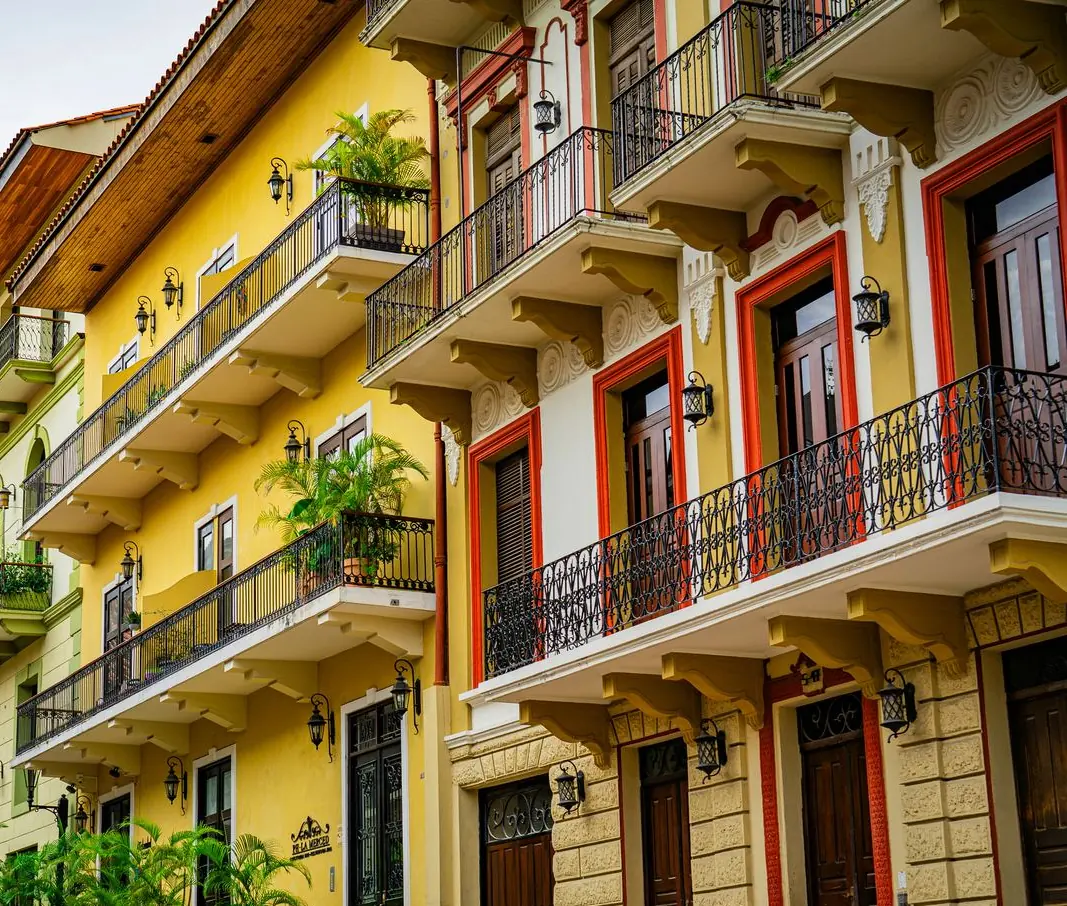
The history of Panama Viejo
Panama Viejo — "Old Panama" — was founded on August 15, 1519 by Spanish conquistador Pedro Arias Dávila. It became the first permanent European city on the Pacific coast of the Americas, and for 152 years it was one of the most important cities in the Spanish colonial world. Gold and silver from the Inca Empire flowed through it in enormous quantities, making it fabulously wealthy and, inevitably, an irresistible target.
On January 28, 1671, the Welsh privateer Henry Morgan arrived with 1,400 men after a nine-day march across the isthmus. The Spanish attempted a defence but were overwhelmed. What followed was the most destructive pirate raid in the Americas: Panama Viejo burned for nearly a month. Whether Morgan's forces or the Spanish themselves set the fires has been debated for centuries. Either way, the result was the same. The city was destroyed.
The Spanish did not rebuild Panama Viejo. Instead, they constructed a new city on a defensible rocky peninsula two miles to the southwest — Casco Viejo, founded in 1673. The ruins of Panama Viejo were left where they stood. For over 300 years, the site remained partially buried and largely unstudied. In 1997, along with Casco Viejo, it was designated a UNESCO World Heritage Site.
What to see at the ruins
Cathedral Tower
Built c. 1619–1626The most iconic and best-preserved structure at Panama Viejo — the bell tower of the original Cathedral of Panama still stands to nearly its original height. It is visible from the highway as you approach the site and serves as the symbol of Panama Viejo. You can climb to the top for panoramic views of the ruins, the modern city skyline, and Panama Bay. The adjacent ruins of the cathedral nave show the scale of the original structure.
Convento de la Merced
Founded c. 1522One of the earliest religious structures built in Panama Viejo — the convent ruins include substantial standing walls and a well-preserved cloister layout. Archaeological excavations here have uncovered ceramic fragments, coins, and structural details that help date the site's occupation. The scale of the complex illustrates the ambition of the original city's builders.
Convento de Santo Domingo
Founded c. 1571Extensive ruins of one of Panama Viejo's most important religious complexes. The walls and foundations cover a large area, and the site gives the clearest sense of how dense and substantial the original city was. Archaeological signage throughout helps visitors understand the layout and function of the various structures.
Casa Alarcón & residential ruins
16th–17th centurySeveral excavated residential and commercial foundations give insight into everyday life in the original city. The excavations show the typical layout of a colonial house — courtyard, storerooms, living quarters — and occasional finds (pottery shards, glass, animal bones) that humanise the archaeological record.
The on-site museum
The Panama Viejo Museum and Visitor Center is located at the main entrance to the site. The museum provides excellent context for the ruins through artefacts recovered during excavations: ceramics from Spain and local indigenous traditions, coins, weapons, jewellery, and architectural fragments. Exhibits cover the city's founding, its role in the Spanish colonial trade network, and the circumstances of its destruction.
The museum is worth spending 45–60 minutes in before walking the ruins — having the context makes the stones significantly more meaningful. Audio guides are available in English and Spanish.
Logistics — getting there and visiting
| Detail | Information |
|---|---|
| Distance from Casco Viejo | 8km east along the Corredor Sur highway |
| Travel time | 15–20 minutes by Uber/taxi |
| Uber cost | $6–10 each way |
| Entry fee | $10 adults, $5 children (includes museum) |
| Opening hours | Tue–Sun 8:30am–4:30pm |
| Time needed | 2–3 hours for ruins + museum |
| Best time to visit | Early morning — less heat, fewer visitors |
| What to bring | Water, sunscreen, comfortable walking shoes |
Practical note: The ruins are largely outdoors with limited shade. Visiting in the morning (opening at 8:30am) before the heat builds is strongly recommended. Bring water, wear a hat, and apply sunscreen. The site is not stroller-friendly — rough paths and uneven ground.
Combining Panama Viejo with Casco Viejo
Panama Viejo and Casco Viejo tell a single continuous story — the original city, its destruction, and the new city that replaced it. Visiting both on the same trip creates a powerful narrative arc. The ideal sequence:
- Morning: Casco Viejo — free colonial walking tour (10am, 2 hours) + Canal Museum
- Early afternoon: Uber to Panama Viejo ($8–10, 20 min)
- Afternoon: Panama Viejo museum (45 min) + ruins walk (1.5 hours)
- Late afternoon: Uber back to Casco Viejo for sunset rooftop drinks
This gives you the full story in a single long day — from the original founding in 1519 through the pirate raid of 1671 to the new city built in response. Both sites together represent one of the most historically layered days you can spend anywhere in the Americas.
Start the story in Casco Viejo
Our pirate and colonial walking tours cover the history that connects Casco Viejo to the Panama Viejo ruins. Begin here — the ruins make much more sense with the full story behind them.
Reserve Free Walking Tour →